Early Childhood Education in Houston, TX
Families searching for high-quality Early Learning Curriculums. want a learning environment that supports curiosity, independence, and emotional growth. A strong foundation in the early years plays a major role in shaping academic success, confidence, and lifelong learning habits. Modern learning environments combine structured teaching with play-based discovery, helping children develop both academic readiness and social skills.
Parents today look for programs that offer safe classrooms, experienced educators, and a balanced curriculum designed to meet each child’s developmental needs. By enrolling children in thoughtfully designed childhood education programs, families ensure their children receive the attention, guidance, and stimulation necessary for early success.
Safe and Engaging Learning Environments
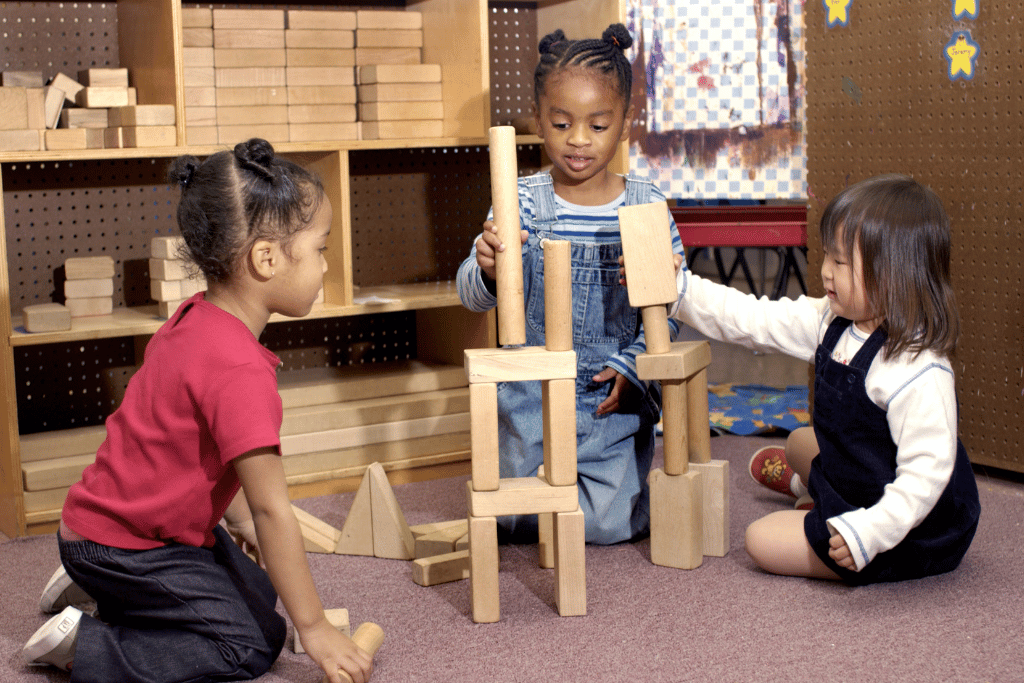
Parents place safety and comfort at the top of their priorities when choosing preschool education providers. A well-designed classroom includes age-appropriate furniture, engaging learning materials, and clearly organized activity areas that promote independence. Children feel confident when they can easily access books, art supplies, puzzles, and hands-on learning tools on their own.
Leading Early Childhood Education in Phoenix maintains structured teacher-to-student ratios, ensuring that every child receives personal attention and guidance. Educators are trained to support emotional development, conflict resolution, and communication skills, helping children develop positive relationships with peers.
Balanced Learning for Whole-Child Development
Holistic Child Development
This approach supports children’s intellectual, emotional, and physical growth together, helping them develop balanced skills from an early age.
Creative and Hands-On Learning
Storytelling, art, music, and experiments encourage active participation, making learning engaging while strengthening early academic foundations.
Building Confidence and Curiosity
Interactive activities help children explore ideas freely, boosting self-confidence, creativity, and a natural curiosity for learning.
Structured Yet Flexible Daily Routines
Planned schedules with lessons, play, and independent time help children build discipline while enjoying variety.
Joyful Learning Through Discovery
A balanced environment allows children to learn through exploration, discussion, and play, keeping learning enjoyable and meaningful.
Why Early Education Matters
The first five years of life are critical for cognitive, emotional, and social development. During this period, children rapidly build language skills, problem-solving abilities, and interpersonal awareness. Quality preschool education introduces children to structured routines while allowing them to explore creativity and imagination through hands-on learning activities.
Research consistently shows that children who participate in structured early learning environments demonstrate stronger literacy skills, improved social confidence, and greater readiness for elementary school. Programs designed around active participation, guided exploration, and collaborative play encourage children to think independently while learning to work with others.
Building Academic Readiness
Strong preschool education programs prepare children for kindergarten by introducing foundational literacy and math concepts in engaging ways. Instead of formal testing or pressure-based learning, teachers present concepts through storytelling, counting games, music, and interactive group projects.
In structured childhood education programs, children gradually develop early reading skills, number recognition, and basic problem-solving abilities. These lessons are delivered through playful activities that maintain enthusiasm and curiosity. As children gain confidence in these skills, they also develop independence and self-motivation.
Experienced Educators and Personalized Attention
Role of Skilled Educators
Experienced teachers guide children through each developmental stage while creating engaging and supportive classroom environments.
Understanding Individual Learning Styles
Educators observe strengths and learning patterns to adapt teaching methods that suit every child’s unique needs.
Engaging Classroom Environments
Well-managed, interactive classrooms encourage focus, participation, and a positive attitude toward learning.
Ongoing Professional Training
Quality centers invest in regular teacher training to stay updated with modern education practices and research
Individualized Support for Growth
Personal attention helps children overcome challenges, reach milestones, and build confidence in their abilities.
Choosing the Right Preschool Program
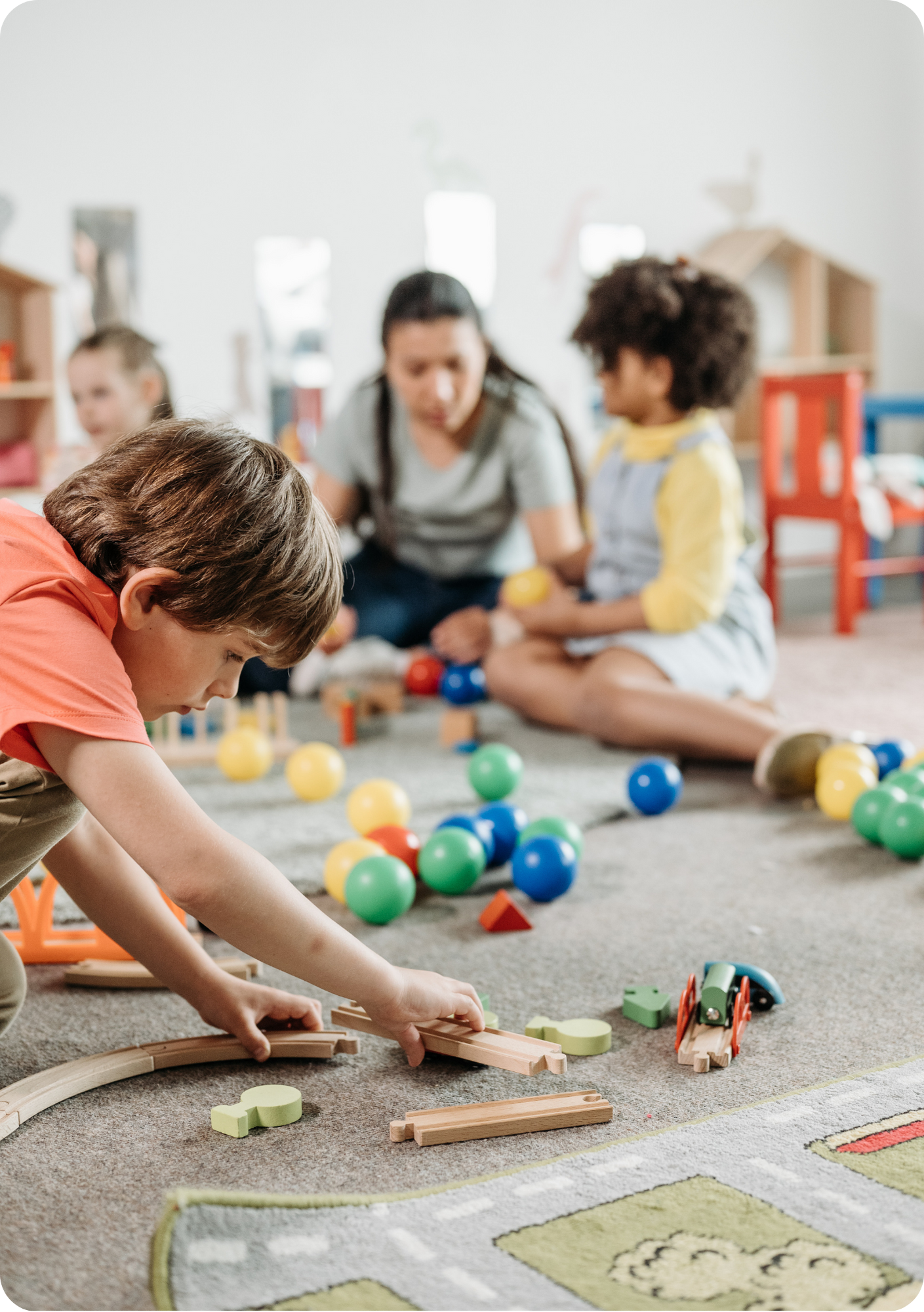
Selecting the right preschool education provider involves evaluating curriculum quality, teacher experience, safety standards, and classroom engagement. Parents should look for programs that combine academic preparation with creative play, ensuring balanced development.
Well-structured childhood education programs often provide facility tours, orientation sessions, and curriculum outlines to help families understand how daily activities support growth. Observing classroom interaction can give parents valuable insight into teaching style, student engagement, and overall learning atmosphere.
By enrolling children in reputable early childhood education in Houston, TX, families invest in a nurturing environment that supports intellectual development, social confidence, and emotional well-being during the most important years of early growth.
Social and Emotional Growth
Beyond academics, emotional intelligence plays a crucial role in lifelong success. A professional early learning center emphasizes teamwork, empathy, and respectful communication. Children learn to share materials, take turns, and express feelings in constructive ways, which strengthens social development.
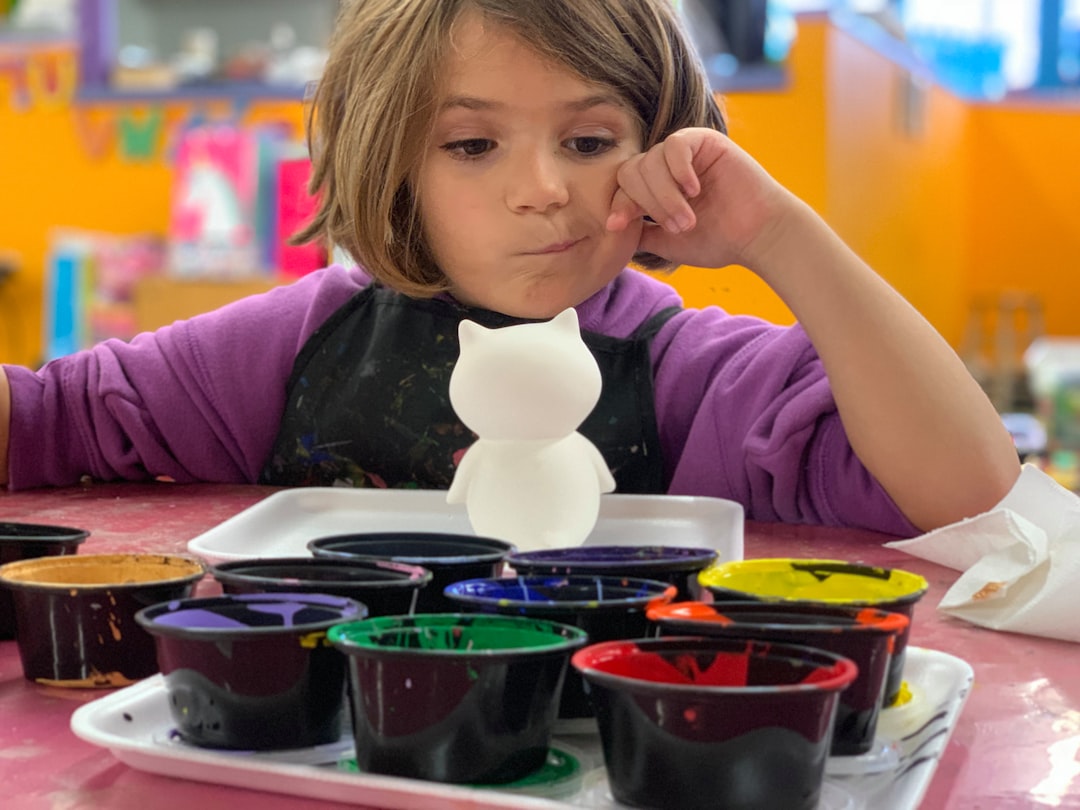
Through group storytelling, cooperative art projects, and role-playing activities, preschool education environments teach children how to listen, collaborate, and solve problems peacefully. These experiences build confidence and reduce anxiety when children enter larger classroom settings later in their education.
Preparing Children for Lifelong Success
Strong childhood education programs do more than prepare children for the next academic level; they help shape attitudes toward learning that last a lifetime. When children associate education with curiosity, creativity, and encouragement, they are more likely to remain motivated throughout their schooling years.
Families choosing early childhood education in Houston, TX often look for programs that encourage independence, exploration, and confidence. These qualities help children develop resilience, adaptability, and a positive outlook toward challenges.
FAQ
Copyright 2026 Early Learning Curriculums
