A Complete Guide to Early Childhood Education – Early Learning Curricula USA
Early childhood education in the USA plays a critical role in shaping a child’s cognitive, social, emotional, and physical development. At our Early Learning Center in USA, we provide a nurturing, sensory-rich environment designed to support independence, curiosity, and academic readiness.
Families searching for early education, pre-school near me, early learning center near me, pre-preschool curriculum, or a high-quality Montessori early childhood curriculum in the USA will find that our programs are tailored to meet individual developmental needs.
This complete pillar page covers everything parents need to know, from early education concepts, classroom environments, age-specific curriculum, Montessori methods, play-based preschool curriculum, STEM integration, and pre-kindergarten readiness, to how our programs prepare children for long-term academic success.
What is Early Childhood Education?
Early childhood education (ECE) refers to professional, developmentally appropriate teaching for children from birth to age eight. In the USA, ECE forms the foundation for lifelong learning by nurturing essential skills during the most influential years of brain development.
Key elements of high-quality ECE include:
Individualized Learning Plans
Every child develops at a unique pace. Individualized learning plans ensure that teachers observe each child’s strengths, learning style, interests, and developmental needs, then create a personalized plan to support their growth. This approach helps children progress confidently and receive the level of support or challenge they need to succeed.
Multi-Sensory and Play-Based Activities
Children learn best when they use all their senses. Multi-sensory activities involve touch, sound, movement, sight, and sometimes even taste or smell to help children understand new concepts. When combined with play-based learning, children stay engaged, explore freely, and develop cognitive, physical, and social skills naturally through guided play.
Experiential, Hands-On Learning
Experiential learning allows children to learn by doing. Instead of passive instruction, children handle objects, explore materials, conduct simple experiments, and participate in real-life tasks. This method strengthens memory, deepens understanding, and builds problem-solving skills because children experience how things work firsthand.
Social-Emotional Growth
Social-emotional development teaches children how to express feelings, build friendships, cooperate with others, solve conflicts, and develop empathy. Activities such as group work, role-playing, and reflective conversations help children understand their emotions and learn positive behaviors. Strong social-emotional skills lay the foundation for confidence, resilience, and healthy relationships.
Parent–Teacher Collaboration
Parents play a vital role in a child’s learning. Regular communication between parents and teachers ensures everyone understands the child’s progress, strengths, and areas needing support. This partnership includes conferences, progress reports, workshops, and daily updates. When parents and teachers work together, children feel more secure and achieve better developmental outcomes.
Structured Early Learning Curriculum
A structured curriculum provides a clear, developmentally appropriate roadmap for what children should learn at each stage. It ensures consistent instruction across subjects like language, math, science, practical life, and social skills. A structured curriculum supports school readiness, builds strong academic foundations, and ensures children meet important developmental milestones.
Core Principles of Our Early Learning Approach
Child-Centered Learning
In our early learning center, children explore, discover, and learn at their own pace. Child-centered learning allows children to make choices, follow their interests, and engage deeply in activities that support early childhood education and cognitive development. This approach lays a strong foundation for preschool readiness and encourages independence, curiosity, and confidence.
Montessori Hands-On Curriculum
We integrate an authentic Montessori early childhood curriculum that uses hands-on materials to teach math, literacy, science, and practical life skills. These materials are designed to build concentration, problem-solving abilities, and real-world understanding. Our preschool Montessori curriculum ensures children learn through touch, movement, and exploration, supporting a rich early learning curriculum grounded in experiential learning.
Social & Emotional Learning
Social and emotional development is at the heart of high-quality early education. Through daily lessons in empathy, cooperation, and communication, children learn to manage emotions, build relationships, and work respectfully with peers. This aligns with modern play-based preschool curriculum methods, which emphasize interaction, teamwork, and positive behavior skills essential for kindergarten and life.
Individualized Growth
Every child progresses differently, which is why our early learning center in the USA uses individualized learning plans. Teachers observe each child’s strengths and needs to create personalized goals that support academic, social, and emotional development. This individualized growth model strengthens preschool learning curriculum outcomes and ensures each child gains confidence and mastery at the right pace.
Safe, Sensory-Rich Spaces
Our classrooms are carefully designed to support exploration, independence, and preschool readiness. Child-sized furniture, open shelves, and sensorial materials allow children to move freely and engage in meaningful work. These sensory-rich early learning environments enhance brain development, focus, and coordination—core components of a high-quality early childhood education program.
Age Groups We Serve – All Early Learning Stages (USA)
Infants (0–12 Months)
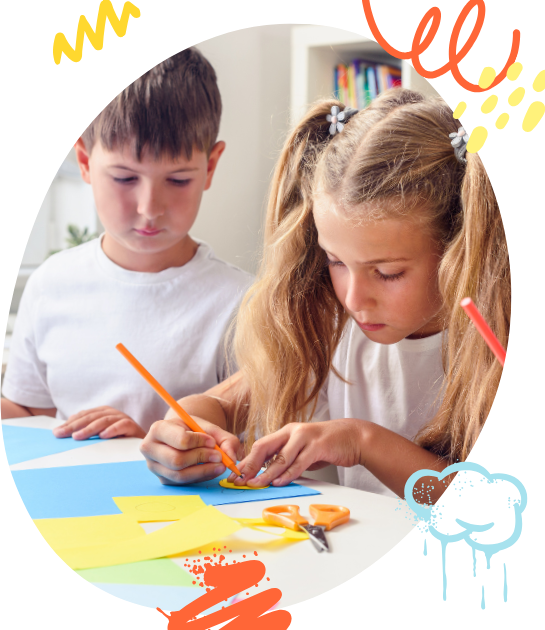
Sensory-rich, hands-on experiences help young children understand their world, strengthening early thinking skills and motor development. Activities that involve varied textures, movement, and practical life tasks build coordination and independence. At the same time, language-rich interactions—stories, conversations, and phonetic play—support strong communication skills. When paired with warm, responsive relationships, these elements create a nurturing, holistic early learning environment that promotes cognitive, physical, and social-emotional growth.
Toddlers (1–3 Years)
Early Communication Skills
Early communication skills help children express their needs, thoughts, and emotions using words, gestures, and sounds. Through conversations, storytelling, songs, and language-rich environments, children build vocabulary, improve listening skills, and develop the confidence to communicate effectively.
Movement & Coordination
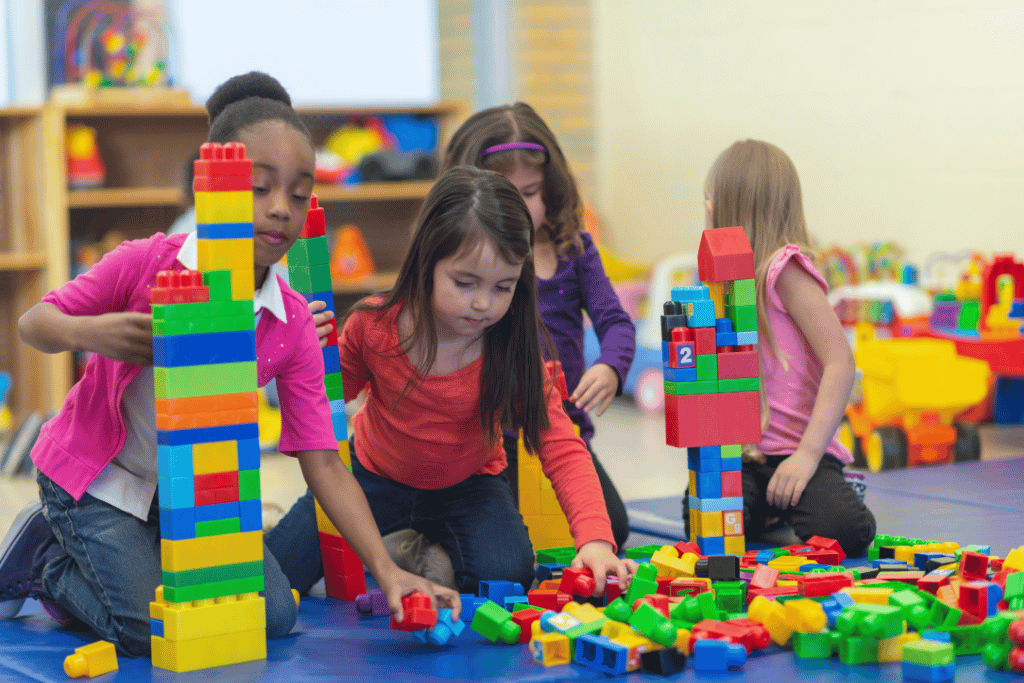
Movement and coordination activities strengthen both fine-motor and gross-motor skills. From crawling, climbing, and balancing to using Montessori materials like beads and knobs, children build control, stability, and physical confidence essential for everyday tasks and future learning.
Practical Life Activities
Practical life activities—such as pouring, cleaning, dressing, and organizing—promote independence, concentration, and responsibility. These hands-on tasks help children master real-life skills while improving coordination, problem-solving, and self-confidence.
Play-Based Exploration
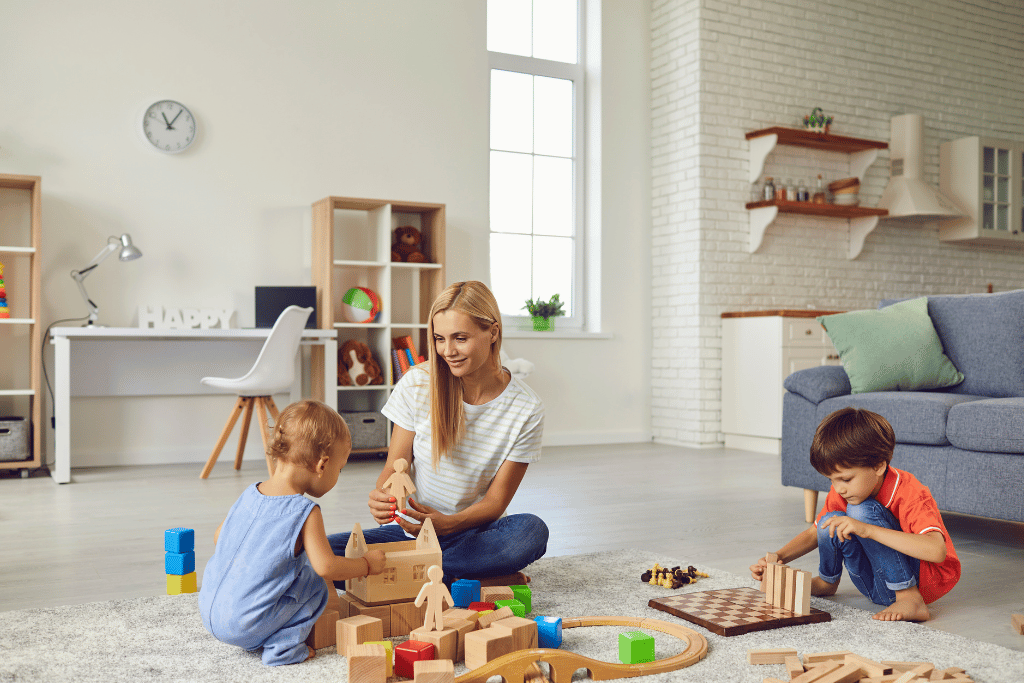
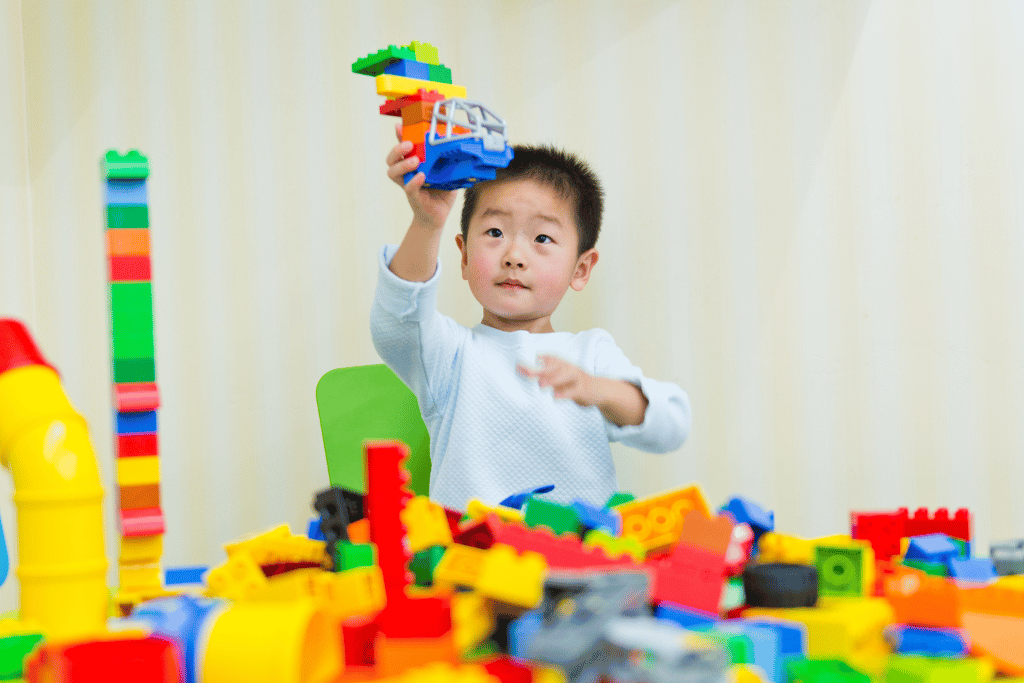
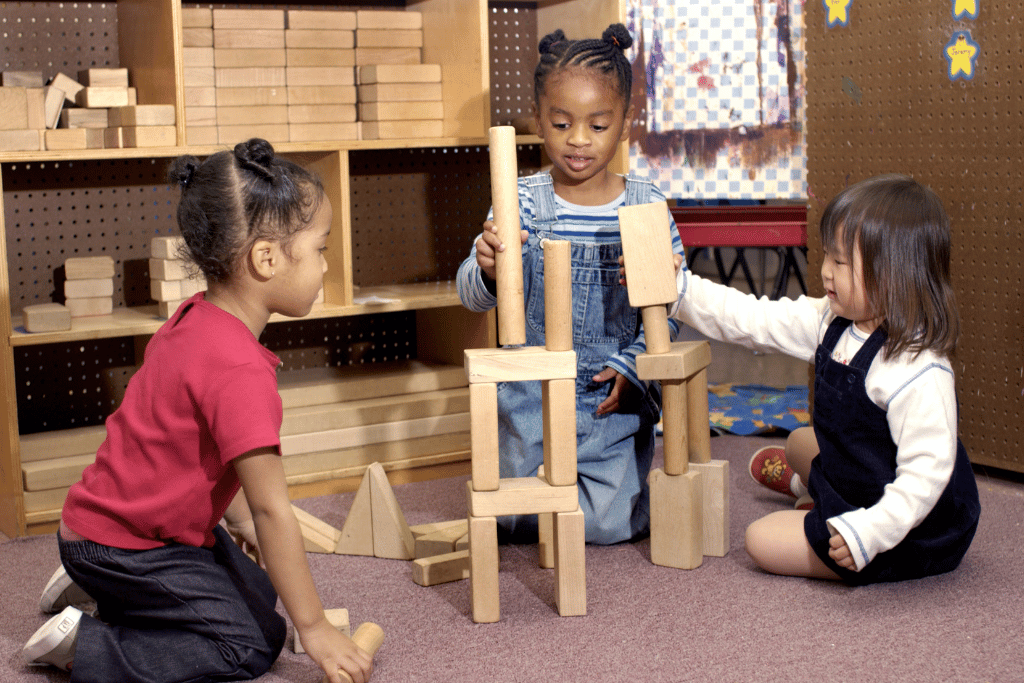
Play-based exploration allows children to learn naturally through curiosity, imagination, and discovery. Activities like building, sorting, role-play, and sensory play support cognitive development, creativity, and early STEM learning in a joyful, engaging environment.
Social Interaction and Cooperation
Social interaction and cooperation teach children how to share, take turns, collaborate, and build positive relationships. Through group activities, discussions, and cooperative play, children develop empathy, communication, and essential social-emotional skills.
Preschool / Early Childhood (3–5 Years)
Our preschool program offers a holistic, Montessori-inspired learning experience ideal for families searching for “preschool near me USA.” Children enjoy long, focused work cycles that build concentration, independence, and confidence. The curriculum blends math, language, science, and cultural studies with hands-on exploration to spark curiosity and critical thinking. Mixed-age classrooms support social learning, where younger children learn from older peers and older children practice leadership and empathy. Together, these elements create a balanced, child-centered environment where every child thrives.
Pre-Kindergarten (5–6 Years)
Reading Fluency
Reading fluency helps children progress from identifying letters and sounds to reading words and simple sentences with ease. Through phonics, storytelling, and guided reading, they build accuracy, speed, and confidence—laying the groundwork for strong comprehension and lifelong literacy.
Writing and Phonics
Children build writing and phonics skills through letter sounds, blending, tracing, and early word formation. Tools like sandpaper letters and movable alphabets strengthen fine-motor control and help them connect sounds to written language, forming a strong early literacy foundation.
Emotional Maturity
Emotional maturity grows as children express feelings, manage emotions, resolve conflicts, and build empathy. Through daily interactions and guided social-emotional activities, they become more self-aware, cooperative, and confident in group settings.
Leadership and Independence
Leadership and independence grow as children make choices, take responsibility, and guide their own learning. Through helping peers, completing tasks on their own, and taking initiative, they build confidence, decision-making skills, and a strong sense of ownership.
Our Early Learning Programs
We blend Montessori, play-based learning, and academic readiness to create a balanced early childhood experience. Children explore hands-on activities while building strong skills in literacy, math, science, and social-emotional development. Montessori materials build independence, play encourages creativity and problem-solving, and structured lessons prepare children confidently for kindergarten. This approach offers a well-rounded, developmentally appropriate foundation for long-term success.
Why Our Early Learning Centre in the USA Stands Out
Certified Early Childhood Educators
Our teachers are trained professionals with expertise in early childhood education, ensuring high-quality instruction and guidance.
Research-Based Early Learning Curriculum
We use proven, developmentally appropriate early learning curriculum to support academic, social, and emotional growth.
Montessori-Inspired Classrooms
Classrooms integrate Montessori early childhood curriculum principles, promoting hands-on learning, independence, and focus.
Sensory-Rich, Structured Learning Environments
Our spaces combine safety, organization, and sensory experiences to encourage exploration, concentration, and confidence.
Regular Parent Communication & Workshops
We engage families through updates, conferences, and workshops, fostering collaboration and supporting preschool readiness.
Strong Foundation for Preschool, Pre-K, and Kindergarten Readiness
Our programs prepare children academically, socially, and emotionally for pre-k, kindergarten, and lifelong learning success.
Authentic Montessori Early Childhood Curriculum
Children learn in multi-age classrooms, where younger students observe and learn from older peers, and older children develop leadership, mentoring, and social skills. This environment encourages collaboration, empathy, and natural peer learning.
We use authentic Montessori early childhood curriculum materials to teach math, literacy, and practical life skills. Hands-on, self-correcting tools help children understand concepts deeply, develop fine-motor skills, and foster independence.
Children engage in long, uninterrupted work cycles, allowing sustained focus, concentration, and mastery of skills. This method promotes independence, deep learning, and self-motivation.
Activities designed to build autonomy, such as self-care tasks, problem-solving exercises, and choice-based learning, help children develop confidence, decision-making skills, and responsibility, key components of preschool readiness and early education success.
Benefits of Early Childhood Education
01.
Cognitive
Refers to the development of thinking skills, including problem-solving, memory, reasoning, and understanding. In early childhood education, cognitive growth helps children process information, learn concepts, and build the foundation for literacy, numeracy, and critical thinking.
02.
Social & Emotional
Focuses on helping children develop empathy, cooperation, self-regulation, and interpersonal skills. Social-emotional growth enables children to manage emotions, build relationships, communicate effectively, and thrive in group learning environments.
03.
0
Physical
Covers the development of both fine-motor skills (like writing, grasping, and manipulating objects) and gross-motor skills (like running, jumping, and climbing). Physical growth supports overall health, coordination, and readiness for everyday tasks and learning activities.
04.
Long-Term Academic Success
Refers to the benefits children gain from early childhood education that prepare them for ongoing learning. Strong foundations in cognitive, social, emotional, and physical domains help children perform better academically, develop a love for learning, and achieve long-term educational goals.
Classroom Environment & Structure
Our classrooms are thoughtfully designed to create an engaging and developmentally appropriate environment for young learners. Child-sized furniture allows children to move, explore, and participate independently, promoting confidence and autonomy. We incorporate Montessori and play-based materials that support hands-on learning, problem-solving, and creativity, while organized activity zones provide clear spaces for literacy, math, science, arts, and practical life activities. Nature and sensory elements, such as plants, water tables, and textured materials, stimulate curiosity, observation, and sensory development. Additionally, mixed-age learning encourages peer mentoring, collaboration, and social growth, creating a dynamic classroom where children of different ages learn from and support each other.
How We Implement Our Curriculum
1.
Observation & Individual Planning
2.
Hands-On, Experiential Learning
3.
Long, Uninterrupted Work Periods
4.
Parent Engagement & Support
Outdoor Learning & Nature-Based Play
Sensory Gardens
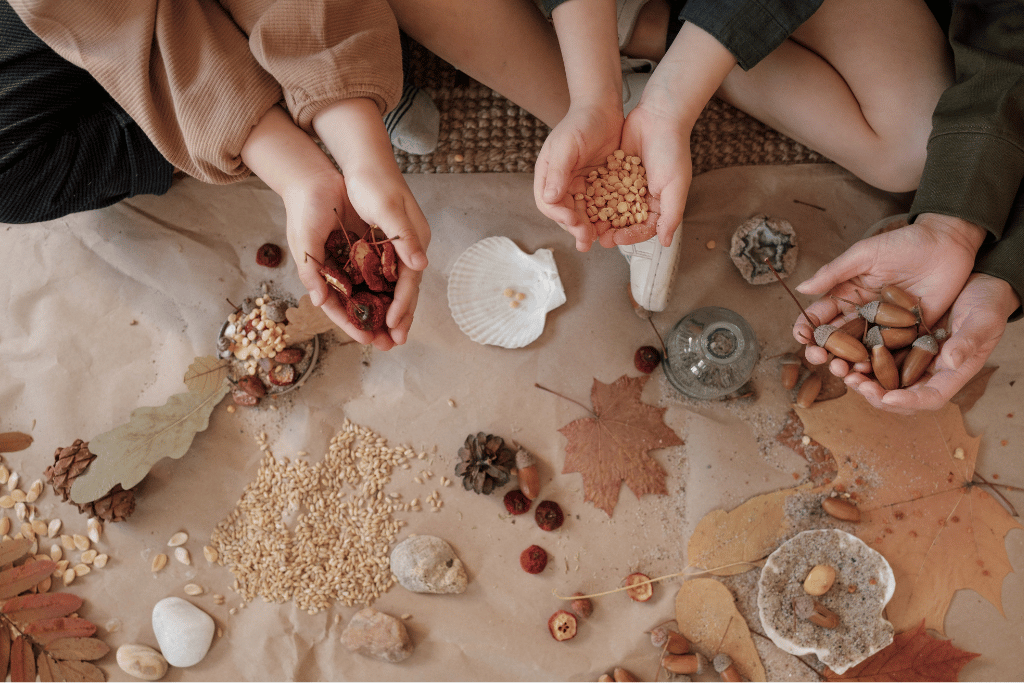
Sensory gardens allow children to explore textures, colors, smells, and natural elements such as flowers, plants, and herbs. These gardens stimulate the senses, promote curiosity, and encourage observation, enhancing early childhood development and sensory learning.
Water and Sand Exploration
Hands-on activities with water and sand support tactile learning, fine-motor development, and early scientific thinking. Children learn concepts like volume, measurement, and cause-and-effect while engaging in imaginative and playful exploration.
Climbing & Gross Motor Structures
Climbing structures, balance beams, and obstacle courses help children develop gross motor skills, coordination, strength, and spatial awareness. Active play also promotes confidence, risk assessment, and teamwork.
Nature Walks
Sensory gardens allow children to explore textures, colors, smells, and natural elements such as flowers, plants, and herbs. These gardens stimulate the senses, promote curiosity, and encourage observation, enhancing early childhood development and sensory learning.
Water and Sand Exploration
Hands-on activities with water and sand support tactile learning, fine-motor development, and early scientific thinking. Children learn concepts like volume, measurement, and cause-and-effect while engaging in imaginative and playful exploration.
STEM & Inquiry-Based Learning in Early Childhood
Our early childhood education program integrates STEM and inquiry-based learning through hands-on, age-appropriate activities that spark curiosity and critical thinking. Water and magnet experiments allow children in our early learning center to explore cause-and-effect, observe physical properties, and develop a love for scientific discovery. Through pattern recognition and early coding activities, children build logical thinking, sequencing skills, and problem-solving abilities, forming an early foundation in preschool learning curriculum and computational concepts. Building structures with blocks, clay, and natural materials encourages creativity, spatial awareness, fine-motor development, and teamwork, reflecting principles of the Montessori early childhood curriculum. Additionally, math reasoning is incorporated throughout, helping children practice counting, measurement, sorting, and analytical thinking in real-world, hands-on contexts. These experiences, combining play-based preschool curriculum and structured learning, support early numeracy, cognitive growth, and preschool readiness for kindergarten and beyond.
Social-Emotional Learning (SEL)
Parental Involvement & Family Engagement
Our early learning center actively involves parents in their child’s education through a variety of opportunities and resources. We offer workshops that guide early childhood development, Montessori methods, and effective learning strategies at home. Families receive home-learning resources to reinforce classroom concepts and encourage skill practice in a supportive environment. Parents are also welcome to participate in classroom volunteering, giving them a hands-on understanding of daily activities and fostering stronger connections with their child’s learning. Regular progress reports keep parents informed about academic, social, and emotional development, ensuring a collaborative approach that supports preschool readiness and long-term growth.

Health, Nutrition & Well-Being
Nutritious Meals
Children are provided with balanced, wholesome meals and snacks that support growth, brain development, and overall health. Proper nutrition ensures children have the energy and focus needed for early childhood education and daily learning activities.
Daily Physical Activity
Regular movement through structured exercise, outdoor play, and gross-motor activities helps children develop strength, coordination, balance, and cardiovascular health. Physical activity also supports cognitive development and social interaction.
Hygiene Routines
Children practice daily hygiene habits such as handwashing, tooth brushing, and personal care. These routines foster independence, self-care skills, and healthy habits that carry into school and home life.
Safety-Centered Classrooms
Classrooms are designed with child safety as a priority, featuring secure furniture, organized spaces, and age-appropriate materials. A safe environment allows children to explore, learn, and take healthy risks confidently while supporting preschool readiness.
Transition to Elementary School
Our early learning center provides a strong foundation for academic, social, and emotional development through a blend of Montessori and play-based learning. Children build early literacy, numeracy, emotional regulation, social skills, and independence—preparing them with confidence for preschool, pre-k, and kindergarten while fostering a lifelong love of learning.
Locations We Serve

Frequently Asked Questions
Early childhood education refers to learning and development from birth to age eight, focusing on cognitive, social, emotional, and physical growth to prepare children for lifelong learning.
We offer infant, toddler, preschool, pre-k, and early learning programs across the USA, designed to meet every child’s developmental needs.
Yes, we integrate an authentic Montessori early childhood curriculum with play-based preschool curriculum and structured early learning curriculum.
Our programs focus on literacy, early math, problem-solving, social-emotional learning (SEL), practical life activities, and independence-building to prepare children for kindergarten.
Absolutely. Our early learning center in the USA serves families nationwide looking for high-quality early education and preschool learning curriculum.
Yes, we provide structured pre-k programs, ideal for families searching for pre-kindergarten schools, public pre-k schools near me, or pre-kindergarten learning opportunities.
We serve children from infants (0–12 months) to pre-kindergarten (5–6 years), offering age-appropriate programs for every stage of early childhood development.
Children participate in long work cycles, hands-on learning, outdoor play, STEM activities, art, music, and social-emotional learning, all in a nurturing, structured environment.
Through sensory experiences, dramatic play, creative arts, and exploration, children learn concepts naturally while developing curiosity, problem-solving skills, and social-emotional growth.
Our Montessori-inspired classrooms feature multi-age groups, hands-on materials for math, reading, and practical life, long work cycles, and independence-building activities that support holistic learning.
We provide workshops, home-learning resources, classroom volunteering, and regular progress reports to keep parents involved and informed.
Through cooperative play, role-playing, conflict resolution, emotion recognition, and SEL activities, children develop empathy, teamwork, self-regulation, and confidence.
Yes, children explore sensory gardens, water and sand play, climbing structures, nature walks, and outdoor creativity zones to promote physical development, observation, and connection to nature.
Our comprehensive early learning curriculum nurtures cognitive, social, emotional, and physical development, builds academic confidence, fosters independence, and ensures children are fully prepared for preschool, pre-k, and kindergarten success.
Copyright 2026 Early Learning Curriculums
